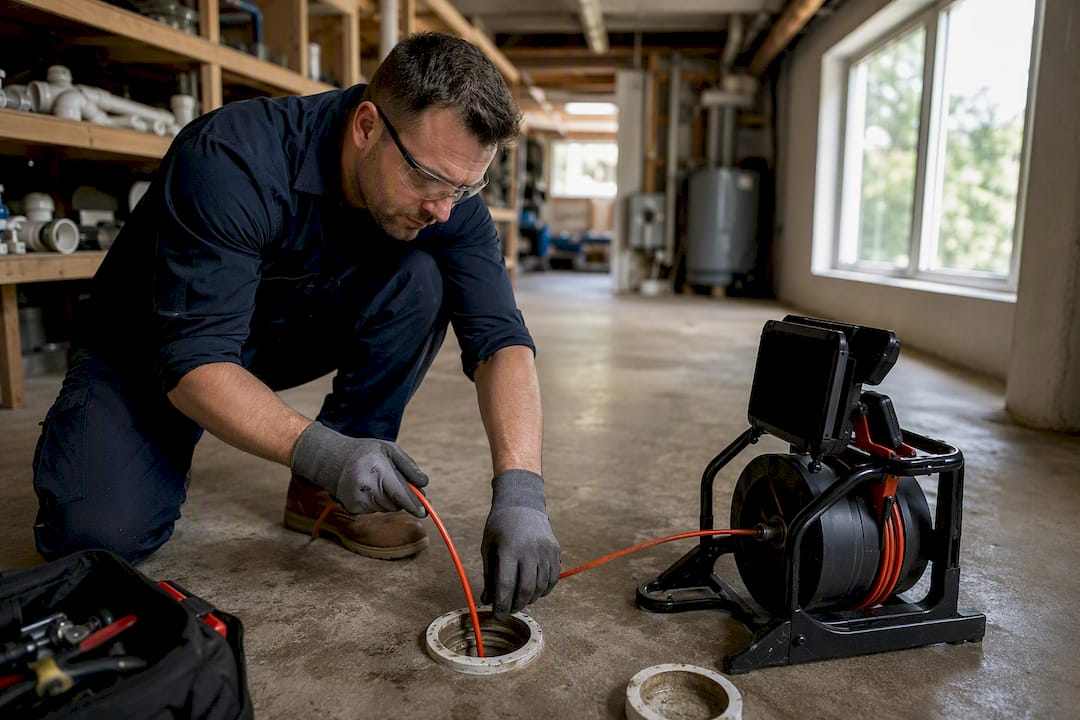
A sewer lateral inspection is a CCTV camera scope that runs the pipe connecting your home to the municipal sewer main, checking for cracks, root intrusion, and blockages before they become your problem. If you’re buying a home, get one during due diligence, before your inspection contingency expires. Homeowners who already own the place should schedule one every three to five years or the moment drains start running slow.
TL;DR:
- Most sewer scope reports can clearly identify critical defects such as cracks, offsets, root intrusion, and bellies, but do not guarantee future pipe failure.
- Confirming that the camera reaches the municipal tap is essential, as incomplete runs can lead to inaccurate assessments and buyer regret.
- Repairs vary widely in cost, with hydro-jetting costing a few hundred dollars and full pipe replacements often exceeding several thousand dollars.
- Property owners are responsible for maintaining and repairing the private sewer lateral, and local programs may offer inspection rebates or require deadlines for fixing defects.
- Using detailed video evidence and timely contractor bids can significantly strengthen negotiating power during property transactions.
Table of Contents
- What Is a Sewer Lateral Inspection, Exactly?
- How Is a Sewer Lateral Inspection Performed?
- What Defects Show Up on a Sewer Scope, and What Do They Mean?
- What Does a Sewer Inspection Cost, and How Long Does Repair Take?
- Who’s Responsible for Sewer Lateral Repairs, and Where Do You Check Local Rules?
- How Do Buyers Turn Scope Results Into Negotiating Power?
- Ficustree Perspective: Fitting a Sewer Scope Into Buyer Decision Intelligence
- The Sewer Scope Is a Leverage Tool, Not a Formality
- Get Help Interpreting Your Sewer Scope Before You Close
- Sources
- FAQ
What Is a Sewer Lateral Inspection, Exactly?
The private sewer lateral, often shortened to PSL, is the pipe running from your home’s foundation cleanout out to the point where it connects to the municipal sewer main under the street. That connection point is called the tap. Everything on your side of the tap is your pipe, your cost, and your problem. Everything past the tap belongs to the city or county sewer district.
That ownership split matters because most buyers assume the municipality is responsible for the whole line. It isn’t. InterNACHI’s sewer scope standards describe a proper inspection as a small camera on a flexible cable, fed through a cleanout, that records the pipe’s interior from your foundation all the way to that municipal tap.
A scope can reliably show you:
- Cracks, offsets, and separated joints
- Root intrusion and grease buildup
- Sags (bellies) where the pipe has settled
- Whether the line was ever properly connected at the tap
What it cannot do is promise the pipe won’t fail next year. A camera documents current condition, not future performance. Treat it as a snapshot, not a warranty.
How Is a Sewer Lateral Inspection Performed?
A technician typically accesses the line through an exterior cleanout, a roof vent, or occasionally a toilet flange if no cleanout exists. From there, the camera head goes in, and a locator wand on the surface tracks its position so the technician can mark depth and distance as it travels. On a well-prepped job, the camera pushes all the way to the municipal tap, giving you a complete picture end to end.
Here’s the sequence worth knowing before the technician shows up:
- Confirm cleanout location and clear any furniture, plants, or debris blocking access.
- Camera enters and is fed slowly toward the street, with the operator narrating findings in real time.
- The locator marks defect locations on the surface so distances can be logged accurately.
- The camera either reaches the tap or stops at an obstruction, which the report must note explicitly.
- You receive the video file and written summary with timestamps.
Most runs take 30 to 60 minutes, though older homes with tight cleanouts or heavy root mats can run longer. The most common reason for an incomplete run is a blockage the camera simply can’t push past.
Pro Tip: Before you book, ask the inspector one question: “Will you tell me if the camera reaches the city tap, and will that be noted in writing?” A run that stops halfway and gets reported as “no major issues found” is the single biggest source of buyer regret after closing.
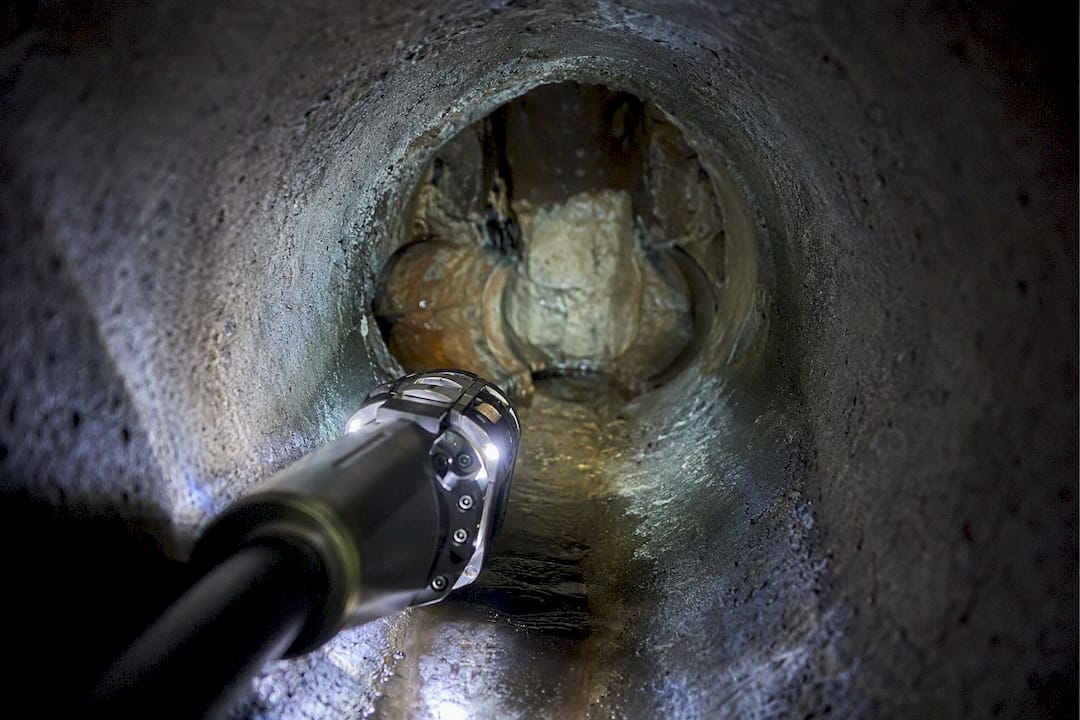
What Defects Show Up on a Sewer Scope, and What Do They Mean?
Every scope report tends to surface the same handful of issues, and each one carries a different level of urgency.
- Root intrusion: roots work through joints and cracks, slowly narrowing the pipe until backups start. Usually manageable with cutting and monitoring unless the roots have split the pipe.
- Bellies or sags: sections that have settled and now hold standing water and waste. These trap solids and often need spot repair or full replacement of that section.
- Offsets and separated joints: the pipe has shifted at a connection point, letting soil and groundwater seep in. This drives inflow and infiltration into the sewer system, which is exactly what EPA guidance on sanitary sewer overflows flags as a system-wide problem, not just a homeowner one.
- Cracks and fractures: minor cracks may just need lining; wide fractures or a fully collapsed section demand immediate specialist bids, not a wait-and-see approach.
- Scale, grease buildup, or old patch repairs: often cheap to clear with hydro-jetting, but repeated buildup can signal a pipe that’s losing slope or diameter.
Collapsed sections and major offsets justify getting bids now. Root intrusion and minor scale buildup are usually fine to monitor with a follow-up scope in a year or two.
What Does a Sewer Inspection Cost, and How Long Does Repair Take?
A pre-purchase sewer scope typically runs a few hundred dollars, with price shifting based on access difficulty, pipe length, and whether the camera hits an obstruction that requires a second visit. Repair costs vary far more widely, depending on whether the fix is a cleaning job or a full dig-and-replace.
| Repair type | Typical cost range | Notes |
|---|---|---|
| Hydro-jetting / cleaning | A few hundred dollars | Clears roots, grease, scale; doesn’t fix structural damage |
| Spot repair or trenchless lining | A few thousand dollars | Works well for isolated cracks or offsets; avoids full excavation |
| Full replacement | Several thousand dollars or more | Needed for collapsed sections or pipe failure along most of the run |
Some municipal programs give property owners a fixed window to fix a failed lateral once it’s flagged. Pinellas County’s PSL program, for example, gives owners 365 days to complete repairs after a lateral is documented as defective. Local programs vary, so check your own county’s rules before assuming a timeline.
Who’s Responsible for Sewer Lateral Repairs, and Where Do You Check Local Rules?
The property owner covers maintenance and repair of the private sewer lateral, full stop, from the foundation to the municipal tap. That responsibility transfers with the sale, which is exactly why a scope during due diligence protects buyers from inheriting someone else’s deferred maintenance.
Some counties go further and require a lateral video inspection as a permit trigger, meaning you can’t pull a remodel permit or complete a property transfer without one on file. Common program mechanics include:
- Mandatory inspection upload to a county portal before permit approval
- Required use of certified or registered contractors, not just any plumber
- Rebate programs that offset inspection or replacement costs to reduce system-wide inflow and infiltration
- Defined repair deadlines once a lateral is flagged as defective
Your actionable next step: search “[your county] private sewer lateral program” or call your county utilities or public works department directly. If a rebate or certified-contractor list exists, that’s where you’ll find it, and skipping this step can mean paying full price for work the county would have partly subsidized.
How Do Buyers Turn Scope Results Into Negotiating Power?
A sewer scope is only as useful as what you do with it. Buyers generally have four paths once a defect shows up on the video, and picking the right one depends on severity, repairability, and how much time is left before closing.
- Ask the seller to complete the repair before closing. Works best for straightforward spot repairs with a clear scope of work and enough time in escrow.
- Negotiate a credit at closing instead of a repair. Better when the fix is complex, involves permitting, or you’d rather choose your own contractor after you own the place.
- Request a cleaning and re-scope. Useful when the first run stopped short of the tap or showed grease and roots that might resolve with jetting rather than structural work.
- Get two independent specialist bids before you finalize anything. This is the path that protects you from both underestimating and overpaying for the fix.
The documentation that makes any of these paths viable is the same: the raw video file, a written report with timestamps and distance-to-tap markers, and at least one contractor estimate tied directly to what the footage shows.
Pro Tip: Run through this quick checklist before you decide which path to take: how severe is the defect, is it repairable with lining or does it need excavation, will repair disturb driveway or landscaping, and how many days are left in your inspection contingency? That last one matters more than buyers expect. A cleaning and re-scope can eat a week you don’t have.
Before you finalize a credit request, it’s worth reviewing how to calculate the right seller credit so the number you ask for actually covers the repair, not just a token gesture.
Ficustree Perspective: Fitting a Sewer Scope Into Buyer Decision Intelligence
Ficustree treats a sewer scope the way it treats every inspection finding: as data that feeds directly into your affordability math and your contingency timeline, not as a standalone technical checkbox. If a scope surfaces a repair estimate, that number should adjust your true cost of ownership calculation immediately, alongside PITI, HOA dues, and maintenance reserves.
Before a scope becomes negotiation-ready, Ficustree walks buyers through a short verification checklist: confirm the camera reached the municipal tap, request the full raw video (not a highlight clip), collect two independent contractor bids tied to the footage, and confirm the contractor holds any local certification your county requires.
Pairing a lateral scope with a full home inspection checklist closes the gap most standard inspections leave open, since general home inspectors typically don’t scope the sewer line at all.
The Sewer Scope Is a Leverage Tool, Not a Formality
Most advice on sewer inspections treats them like a box to check alongside radon and termite reports. That undersells what a scope actually does. The footage and written report are the single most concrete piece of evidence you’ll have in a negotiation, more persuasive than a general inspector’s summary paragraph, because a seller can watch the roots choking their own pipe on video.
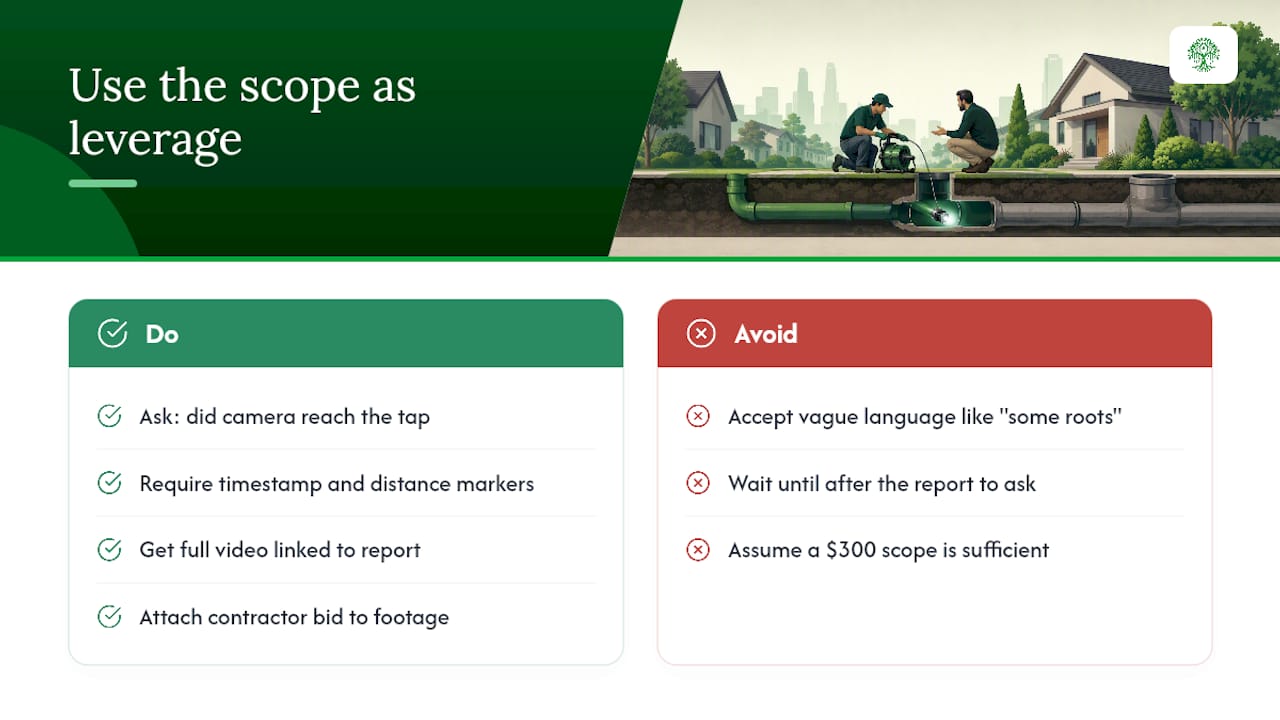
The conventional advice, get a scope, falls short because it stops short of telling buyers what makes that scope usable. A report that says “some root intrusion noted” without a timestamp, a distance marker, or confirmation that the camera reached the tap is close to worthless in a negotiation. Sellers and their agents will push back on vague language. They have a much harder time pushing back on a video showing a collapsed section at 47 feet with a contractor bid attached to that exact footage.
If there’s one thing to prioritize first, it’s asking the “did the camera reach the tap” question before you even book the inspector, not after you get a report that leaves you guessing. That single question determines whether the $300 you spent bought you real information or a false sense of security.
— Anand
Get Help Interpreting Your Sewer Scope Before You Close
Ficustree represents first-time buyers directly, for a flat $1,000 fee plus 1% commission at closing, with a rebate back to you where state law allows it. That structure means when a sewer scope comes back with defects, you have a buyer’s agent actually incentivized to negotiate the credit or repair hard, not talk you out of asking for one to keep the deal moving.

Ficustree’s decision-intelligence platform folds inspection findings like a sewer scope directly into your affordability numbers and contingency timeline, so you’re not juggling a spreadsheet, a PDF report, and a countdown clock separately. If you’re mid-escrow with a defective lateral on your hands and need help figuring out whether to ask for a credit or a repair, visit Ficustree and get a buyer-side read on your specific findings before your contingency window closes.
Sources
- InterNACHI: Sewer Scope Standards of Practice
- Pinellas County: Private Sewer Lateral Video Inspection
- ReportWalk blog: Sewer scope inspection — complete guide
- EPA: Sanitary sewer overflows (SSOs)
FAQ
How Is a Sewer Lateral Inspection Done?
A technician feeds a CCTV camera through a cleanout, toilet flange, or vent, pushing it toward the municipal tap while a surface locator marks defect positions, a process that typically takes 30 to 60 minutes.
How Often Should a Sewer Lateral Be Inspected or Replaced?
Homeowners should scope the line every three to five years, or immediately if drains run slow or back up; replacement timing depends entirely on what the scope finds, since a well-maintained pipe can last decades while a damaged one may need action within the year.
What Is a Sewer Lateral?
A sewer lateral, or private sewer lateral (PSL), is the pipe running from your home’s foundation cleanout to the point where it connects to the municipal sewer main, known as the tap.
Who Is Responsible for Sewer Lateral Repairs?
The property owner is responsible for maintaining and repairing the private sewer lateral from the foundation to the municipal tap; some counties also require inspections for permits or property transfers, with defined repair deadlines once a defect is found.
Recommended
- Home Inspection Checklist for Buyers: 2026 Guide – ficustree.ai
- Home Inspection Secrets Every Buyer Should Know
- Home Inspector Role in the Buying Process: A First-Timer’s Guide – ficustree.ai
- Home Inspection Contingency Explained for First-Time Buyers – ficustree.ai

Leave a Reply