
As of January 1, 2026, Texas law requires a written agreement before an agent can show you residential property or present an offer on your behalf. This comes from Texas Occupations Code §1101.563, enforced through the Texas Real Estate Commission (TREC). In practice, no signed agreement means no showings, no advice, and no negotiation on your behalf, full stop.
TL;DR:
- A written buyer representation agreement in Texas is mandatory before an agent shows a home or presents an offer, even if no in-person tour occurs.
- The agreement must specify services, termination date, exclusivity, representation type, clear compensation details, and that fees are negotiable.
- A showing-only contract limits the agent’s role to showing properties and factual information, without advice or negotiation, and cannot be used to expand into full representation later.
- Buyers should negotiate and confirm who pays the agent’s fee, what happens if the seller doesn’t cover it, and how to terminate early, with all terms documented in writing.
- To exit an agreement, buyers should request a written release from the broker or consult legal advice for disputes, as TREC handles license law violations only.
Table of Contents
- What Does the 2026 Buyer Representation Agreement Texas Law Actually Require?
- What Must a Texas Buyer Agreement Include? A Compliance Checklist
- What Is a Showing-Only Agreement, and When Do You Need One?
- How Do You Negotiate Compensation and Terms Before You Sign?
- How Do You Get Out of a Buyer Representation Agreement in Texas?
- How Ficustree Builds 2026’s Transparency Rules Into Every Agreement
- Ready to Buy With a Clear Written Agreement in Place?
- Sources
- FAQ
What Does the 2026 Buyer Representation Agreement Texas Law Actually Require?
The new rule is narrower than a lot of buyers assume. A buyer representation agreement in Texas now has to exist in writing before one of two things happens: the agent shows you a residential property, or the agent presents an offer on your behalf even if you never toured the home in person.
This isn’t a blanket rule for every real estate interaction. SB 1968, the legislation that created this requirement, added Sections 1101.562 and 1101.563 to the Occupations Code specifically to close a gap where agents were showing homes and giving informal advice before any contract existed defining who they actually represented.
Here’s what falls under the requirement, and what doesn’t:
- Covered: Residential property showings, whether in person or by appointment through an agent.
- Covered: Presenting an offer to a seller on a buyer’s behalf, even without a prior showing.
- Not covered: Commercial property transactions, which operate under different brokerage norms.
- Not covered: Tenant-only lease situations where no purchase is contemplated.
- Separate requirement: The Information About Brokerage Services (IABS) form still has to be delivered at first substantive contact, independent of the written agreement itself.
TREC’s own guidance frames the timing this way: the agreement has to exist before the substantive act (showing or offer), not after. An agent who lets you walk through a listing “just to see if you like it” before either of you signs anything is technically out of compliance the moment that showing happens.
What Must a Texas Buyer Agreement Include? A Compliance Checklist
Before you sign anything, run it against this list. TREC does not publish a standard form. Instead, buyer representation agreements are private contracts, so their quality depends entirely on how carefully the broker (or their attorney) drafted them. That’s exactly why checking the fine print matters.
Under the statute, a compliant Texas buyer agreement has to spell out:
- The services being provided. Vague language like “assist buyer” isn’t enough. The agreement should name specific duties: locating properties, scheduling showings, submitting offers, negotiating terms.
- A termination date. Every agreement needs a hard end point. Open-ended agreements with no expiration are a compliance problem, not just a bad deal.
- Exclusivity status. The document has to state plainly whether it’s exclusive (you work with this one agent only) or non-exclusive (you can use multiple agents simultaneously).
- Representation status. It must clarify whether the agent represents you exclusively, or is acting as an intermediary between you and the seller.
- Compensation amount or rate, and how it’s determined. This has to be objectively verifiable, not a fill-in-the-blank promise. “To be negotiated later” does not satisfy the statute.
- A conspicuous disclosure that compensation is negotiable. This can’t be buried in fine print. TREC’s guidance requires this statement to stand out, because commission rates are never fixed by law, regardless of what a listing sheet implies.
Broker minimum duties under Texas law (like honesty and disclosing material facts) can’t be waived by contract language, no matter how the agreement is worded.
Pro Tip: If the compensation section reads like a placeholder (“commission per MLS” or “standard rate applies”), don’t sign yet. Ask for a specific number or percentage in writing before you agree to anything.
What Is a Showing-Only Agreement, and When Do You Need One?
Texas law carved out a narrower path for buyers who just want to see a house without committing to full representation. This is the non-representation, or showing-only, agreement created under Section 1101.562.
It comes with real limits, and buyers should understand exactly what they’re giving up:
- The agent can grant access to the property and confirm objective facts (square footage, listed price, whether the roof was replaced), nothing more.
- No advice, no opinions on value or condition, and no negotiation on your behalf.
- The agreement can last no more than a short, limited period and cannot be exclusive.
- If the agent starts giving advice or negotiating after using a showing-only form, a separate full representation agreement is required. A showing-only form can’t quietly expand into something more.
Open houses complicate this slightly. If you’re browsing an open house hosted by the listing broker’s own office, you generally don’t need a written agreement just to walk through, since no individual agent is representing you at that point. But the moment that host agent starts advising you on offer strategy or price, the written-agreement clock starts ticking. The IABS form still needs to change hands early in that conversation regardless.
How Do You Negotiate Compensation and Terms Before You Sign?
The compensation clause deserves more scrutiny than most buyers give it. If a seller refuses to cover the buyer’s agent fee, some agreements leave the buyer on the hook for the difference. That exposure is worth catching before you sign, not after you’re under contract on a house.
A few negotiation levers matter more than others:
- Fixed fee versus percentage. A flat dollar amount is easier to budget around than a percentage tied to a sale price that hasn’t been set yet.
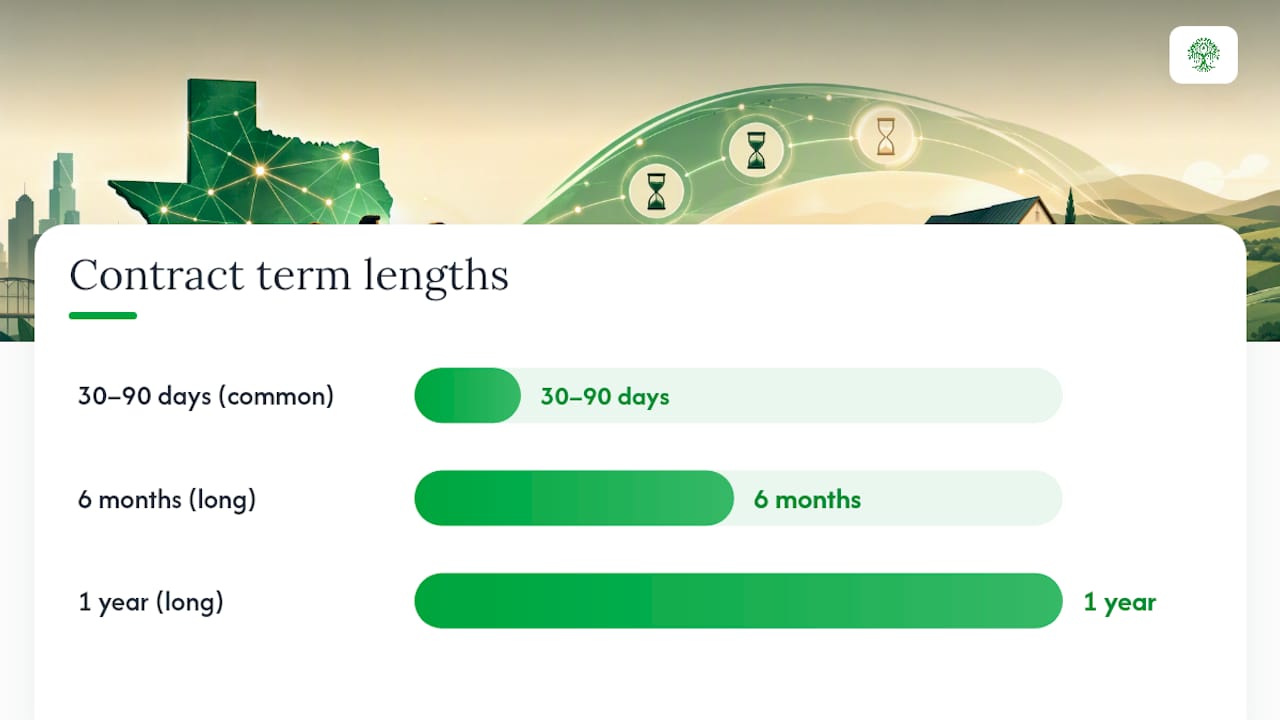
- Termination date. Thirty to ninety days is common for first-time buyers still getting oriented. Six-month or one-year terms lock you in longer than most buyers realize until they want out.
- Market area limits. Some agreements restrict representation to specific counties or ZIP codes. Confirm the areas you’re actually house hunting in are covered.
- Carve-outs for new builds or FSBO listings. Builder sales offices and for-sale-by-owner deals sometimes have separate commission structures. Get clarity on whether your agreement’s compensation terms apply there too.
Red flags to watch for: automatic renewal clauses with no notice period, compensation language that references “customary rates” instead of a number, and exclusivity terms with no easy exit.
Pro Tip: Before signing, ask directly: “If the seller won’t pay your fee, am I responsible for the difference?” and “What exactly do I need to do to end this agreement early?” Get both answers in writing, not verbally.
Understanding how real estate commission actually works for buyers and sellers helps you spot when a compensation clause is unusually favorable to the brokerage rather than to you.
How Do You Get Out of a Buyer Representation Agreement in Texas?
Buyer agreements are private contracts, not government-issued licenses, so getting released is between you and the broker (not TREC).
- Request a release in writing. Most brokers will release a buyer who isn’t happy, especially early in the relationship, rather than deal with an unmotivated client.
- Offer a reasonable compromise if needed. Some brokers ask for reimbursement of marketing costs or hours already spent; this is negotiable, not automatic.
- Consult a private attorney for contract disputes. TREC does not resolve fee disputes or contract interpretation questions between buyers and brokers.
- File a TREC complaint only for license law violations, like an agent showing property without any written agreement in place at all. TREC can discipline the license holder, but it won’t unwind your private contract for you.
How Ficustree Builds 2026’s Transparency Rules Into Every Agreement
Most of the friction in buyer representation agreements comes from vague language: compensation that’s “to be determined,” services that are loosely defined, termination dates that don’t exist. Ficustree’s model was built around the opposite instinct.
That structure is disclosed upfront, not negotiated line by line after you’ve already toured five houses with an agent you’ve never signed anything with. Services, term length, and representation status are documented the same way for every buyer, which removes the guesswork the 2026 statute was designed to eliminate in the first place.
Decision-intelligence tools also reduce a specific kind of friction first-time buyers hit: not knowing whether a clause is standard or unusual. When recommendations and next steps are explainable rather than opaque, buyers spend less time second-guessing paperwork and more time evaluating the house itself.
— Anand
Ready to Buy With a Clear Written Agreement in Place?
If everything above made you want a simpler path through this paperwork, that’s the point of Ficustree. Instead of hunting for a Texas REALTORS® form and hoping your agent fills it out correctly, Ficustree gives first-time buyers in Texas a buyer representation agreement with the compensation, term, and services spelled out from day one, no vague “customary rate” language anywhere in it.

A premium platform with affordability calculators, neighborhood data, and on-demand showing agents is available to explore at any time. If you’re tired of piecing together advice about what a buyer’s agent actually does from five different websites, start by exploring your options at Ficustree and see what a transparent agreement looks like before you commit to one.
This article is general information, not a substitute for advice from a qualified lawyer. Consult a qualified legal professional about your own circumstances before acting on anything here.
Sources
FAQ
Is a Buyer Representation Agreement Required in Texas?
Yes. Starting January 1, 2026, Texas Occupations Code §1101.563 requires a written agreement before an agent shows you residential property or presents an offer on your behalf.
How Do You Get Out of a Buyer Representation Agreement in Texas?
Request a written release from your broker; most agreements are private contracts and brokers can release buyers voluntarily. If the broker refuses and you believe a license law violation occurred, you can consult a private attorney or file a complaint with TREC.
What Format Does a Texas Buyer Representation Agreement Use?
TREC does not publish a standard form. Most brokers use Texas REALTORS® forms like the TXR 1501 or 1507, which include the required services, termination date, exclusivity status, and compensation disclosures.
What Is a Buyer Representation Agreement?
It’s a written contract between a home buyer and a real estate broker that defines the services provided, how long the relationship lasts, whether it’s exclusive, and how the broker gets paid. Under 2026 rules, it must exist before the agent shows you a home or presents an offer for you.
Do You Need a New Agreement If Your Agent Changes Brokerages?
Yes, in most cases. The contract is between you and the broker, not the individual agent, so if your agent switches firms, you typically stay bound to the original broker unless you’re released or sign a new agreement.
Recommended
- How to Make a Competitive Home Offer in 2026
- Common Home Offer Negotiation Mistakes to Avoid
- Texas Buyers: Lock Replacement Cost Homeowners Insurance, Ficustree
- First Time Homebuyer Guide: Simple Steps for Your First Home

Leave a Reply